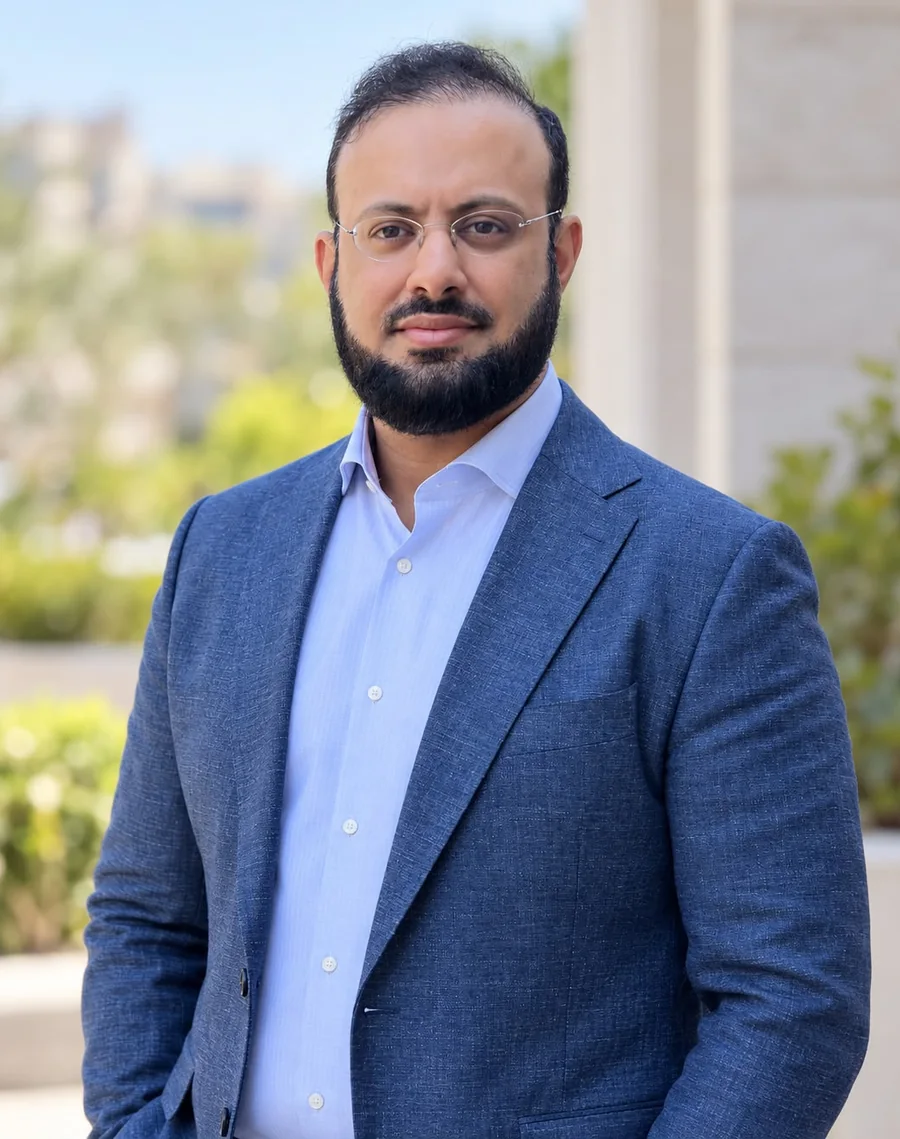
Dr Yousef Al-Tawala Al-ShammariGastroenterology & Advanced Endoscopy
Consultant in Internal Medicine, Gastroenterology & Advanced Therapeutic Endoscopy

Dr Yousef Al-Tawala Al-Shammari

Specialist care for diseases of the digestive tract, liver, pancreas and bile ducts in Kuwait, with a particular focus on therapeutic endoscopy, ERCP (endoscopic retrograde cholangiopancreatography) and endoscopic ultrasound (EUS).

I take time to understand your symptoms, explain your test results and treatment options, and build a plan that fits you, guided by careful medical assessment and the best scientific evidence.

Dr Yousef Al-Tawala Al-Shammari
01First Kuwaiti to complete the Advanced Therapeutic Endoscopy fellowshipUniversity of Calgary, Canada
2023 to 2025
02Fellowship in Gastroenterology & HepatologyMcMaster University, Canada
2021 to 2023
03Kuwaiti and Canadian boards in internal medicineSpecialist training in internal medicine
Dr Yousef Al-Tawala Al-Shammari
About the doctor

Specialist care that starts with listening and clear explanation.

I am Dr Yousef Al-Tawala Al-Shammari, a consultant in internal medicine, gastroenterology and advanced therapeutic endoscopy. I completed a fellowship in gastroenterology and hepatology at McMaster University, followed by a fellowship in advanced therapeutic endoscopy at the University of Calgary in Canada.

My work covers the diagnosis and treatment of diseases of the oesophagus, stomach, bowel and liver, endoscopic assessment and treatment of pancreatic and bile duct disease, removal of polyps, and the management of bleeding, strictures and gastritis.

I also take part in clinical teaching and research on endoscopy quality and patient safety, and I aim to explain things clearly so that you can understand your condition and share in choosing your treatment.

Qualifications

  • MBBCh from the Royal College of Surgeons in Ireland (RCSI), 2013
  • Kuwaiti Board in Internal Medicine, 2019
  • Fellowship in Gastroenterology & Hepatology, McMaster University, 2021 to 2023
  • Fellowship in Advanced Therapeutic Endoscopy, University of Calgary, 2023 to 2025
  • MSc in Healthcare Management, Royal College of Surgeons in Ireland, 2023 to 2025
Medical services

From consultation to advanced endoscopy.

Consultations, tests and treatment for digestive and liver disease, with diagnostic and therapeutic endoscopy.

Digestive & liver disease

Assessing symptoms, finding the cause, and planning treatment and follow-up that suit each patient.

Oesophagus and stomach

  • Assessment and treatment of reflux, heartburn, indigestion and stomach pain
  • Diagnosis and treatment of H. pylori infection and stomach and duodenal ulcers
  • Assessment of swallowing difficulty, oesophageal strictures and motility disorders, including achalasia
  • Assessment and surveillance of Barrett's oesophagus, with tests or treatment planned according to results

Bowel and colon

  • Assessment and treatment of irritable bowel syndrome, bloating, gas, constipation and chronic diarrhoea
  • Assessment of lactose and fructose intolerance and small intestinal bacterial overgrowth (SIBO), choosing the right tests
  • Diagnosis and follow-up of ulcerative colitis and Crohn's disease
  • Assessment of coeliac disease, malabsorption and iron deficiency related to digestive disease
  • Assessment of haemorrhoids, rectal bleeding and bowel-habit problems, with treatment or referral when needed

Liver disease

  • Assessment of raised liver enzymes, jaundice, fatty liver and hepatitis
  • Follow-up of viral hepatitis, autoimmune liver disease, cirrhosis and its complications
  • Assessment of oesophageal and gastric varices, treated endoscopically when needed

Nutrition and digestive health

  • Dietary guidance according to the diagnosis, including irritable bowel syndrome, constipation and coeliac disease, working with a dietitian when needed
  • Assessment of food-related symptoms, distinguishing food intolerance from food allergy, which may need an allergy specialist

Diagnostic & therapeutic endoscopy

Gastroscopy, colonoscopy and small bowel endoscopy, early detection and endoscopic treatment.

Gastroscopy (upper endoscopy)

  • Examination of the oesophagus, stomach and duodenum, with biopsies when needed
  • Assessment of swallowing difficulty, ulcers, bleeding and other symptoms that call for endoscopy
  • Stopping bleeding endoscopically, banding oesophageal varices and treating gastric varices in suitable cases
  • Stretching oesophageal strictures with balloons or dilators, and pneumatic balloon dilation for selected cases of achalasia
  • Removal of foreign bodies and placement of feeding tubes when needed

Colonoscopy and early detection

  • Diagnostic colonoscopy to assess bleeding, change in bowel habit, anaemia and other symptoms
  • Colonoscopy for early detection of polyps and colon cancer, according to age, family history and risk factors
  • Removal of polyps, including endoscopic mucosal resection (EMR) for suitable cases
  • Biopsies and assessment of suspicious growths, coordinating with the oncology team when needed

Small bowel examination

  • Capsule endoscopy of the small bowel for selected cases such as bleeding, anaemia and unexplained iron deficiency that standard endoscopy does not explain
  • Balloon-assisted small bowel endoscopy to reach areas that standard scopes cannot, taking biopsies or giving treatment

Stents and closing defects

  • Oesophageal, duodenal and colonic stents to relieve some blockages, according to medical assessment
  • Endoscopic management of some leaks, defects and complications of weight-loss surgery, using the method that suits the case
  • Placement and removal of an intragastric balloon for suitable cases, within a nutrition and weight follow-up plan

Bile duct & pancreas endoscopy

ERCP and EUS: advanced procedures to diagnose and treat pancreatic and bile duct disease.

ERCP (endoscopic retrograde cholangiopancreatography)

  • A procedure used mainly to treat problems of the bile ducts and pancreas, such as stones, blockage and strictures. It combines an endoscope with X-ray imaging to carry out the needed treatment
  • Removal and, when needed, fragmentation of bile duct stones
  • Stretching bile duct strictures and placing biliary and pancreatic stents
  • Draining bile in blockage and managing some bile leaks
  • Sampling suspicious strictures, using direct cholangioscopy in suitable cases
  • Managing complex bile duct problems in coordination with the other medical teams involved

EUS (endoscopic ultrasound)

  • An examination that combines an endoscope with ultrasound to give detailed images of the pancreas, bile ducts, the wall of the digestive tract and surrounding tissue
  • Assessment of pancreatic masses and cysts and of lesions lying beneath the lining of the digestive tract
  • Fine-needle aspiration (FNA) or fine-needle biopsy (FNB) when needed
  • Helping assess the local spread of some digestive tract tumours and guiding the treatment plan
  • Draining some fluid collections and pseudocysts around the pancreas in suitable cases
  • Selected EUS-guided drainage of the bile ducts or gallbladder, according to need and availability
  • Selected EUS-guided procedures to relieve pain through the celiac plexus and to treat some gastric varices
Choosing the right procedure

Not every patient needs ERCP or EUS. Assessment may begin with blood tests, scans or an MRI of the bile ducts, and the reason for any procedure, its benefit, its risks and the alternatives are discussed with you first.

Clinics

Where to find the doctor.

Adan Hospital

Kuwait

Gastroenterology and advanced therapeutic endoscopy services.

Al-Ahmadi General Hospital

Kuwait

Al Salam Al-Ahmadi Hospital

Kuwait

Gastroenterology and endoscopy consultations.

Booking a clinic appointment

To arrange a visit, contact the clinic and tell them the reason for your visit. After assessment, the tests or endoscopy that suit your condition will be planned.

  • Previous reports and scans
  • Your list of medicines
  • A short note of why you are coming
Awareness & prevention

Read to understand your condition.

Plain-language articles on digestive and liver disease and endoscopy, to help you know when a test or scope is needed.

All articles

Research

Research in endoscopy quality and patient safety.

Contributions in advanced endoscopy, quality of care and patient safety.

◆

Guidewire entry into the pancreatic duct and the risk of post-ERCP pancreatitis

2025

ERCP under moderate sedation compared with general anaesthesia: success, complications and tolerance

Best gastroenterology research paper in Canada, 2025

◆

Patient experience of ERCP and its relation to complications and use of health services after the procedure

◆

Diagnostic accuracy of video capsule endoscopy: a systematic review and meta-analysis

Frequently asked questions

Questions patients ask.

Which conditions does the doctor assess and treat?

Digestive and liver disease, symptoms such as heartburn, difficulty swallowing, abdominal pain, constipation and diarrhoea, pancreatic and bile duct disease that may need advanced endoscopy, H. pylori infection, bowel problems and irritable bowel syndrome.

What is the difference between ERCP and EUS?

ERCP is mostly used to treat the bile ducts and pancreas, while EUS gives detailed images and allows samples to be taken, and can also be used for some treatments.

Does everyone with heartburn need an endoscopy?

This is decided after reviewing your symptoms, medical history and response to treatment. An endoscopy may be needed when there are warning symptoms such as difficulty swallowing or bleeding.

Can polyps be removed during a colonoscopy?

Many polyps can be removed during the procedure. The decision depends on the size, shape and position of the polyp and on your health, and some cases need a specialised procedure.

How do I prepare for an endoscopy?

You will be given preparation instructions at the clinic according to the type of procedure. Tell the team about your medicines, especially blood thinners and diabetes medicines, and never stop a medicine on your own.

Book an appointment

Book your visit.

To book, contact the appointments desk of the hospital where you wish to be seen, mention the doctor's name and the reason for your visit, and bring your previous reports, scans and list of medicines.

To book, contact the appointments desk of the hospital where you wish to be seen and mention the doctor's name and the reason for your visit.